28
Feb
Jaw Tension and Facial Pain: When Stress Shows Up in Your Smile
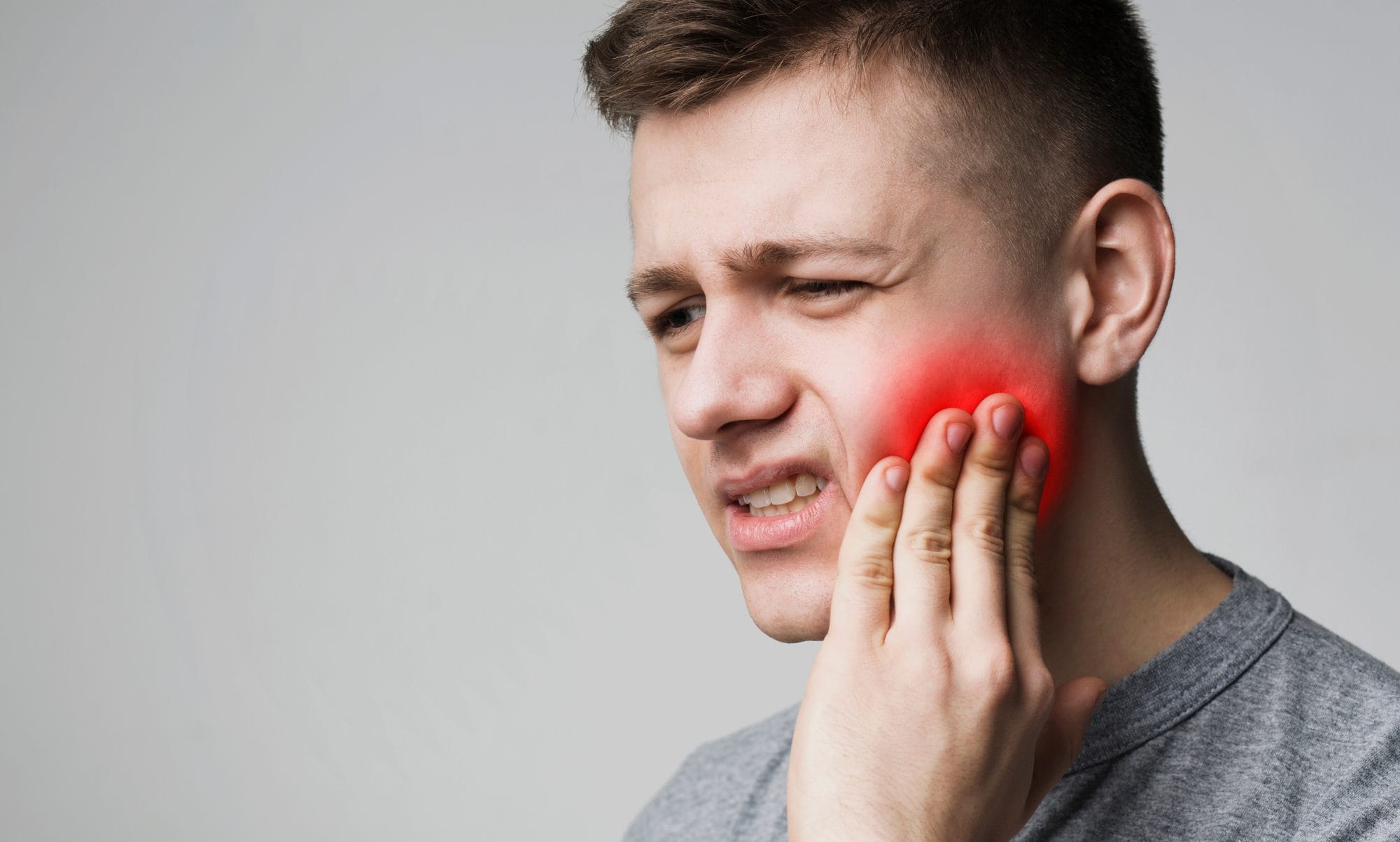
If your mornings begin with a tight jaw, sore cheeks, or a dull headache, stress might be manifesting in your mouth. Many patients in Manakin-Sabot notice jaw tightness during late winter, when sleep schedules shift, and daily activities feel heavier. Jaw muscles can stay partly “on” for hours without you realizing it, especially during nighttime clenching or daytime teeth grinding.
The good news is that relief is possible. At Goochland Dentistry, Dr. Murchie and our team help you identify symptoms, understand causes of muscle tension, and choose an effective treatment plan to protect your teeth and improve your quality of life. Support often combines dental care with simple home remedies and calming strategies that fit your routine.
Why stress can trigger a tight jaw and jaw pain
Stress affects your nervous system, and your body often responds by tightening muscles for protection. This includes facial muscles, the sides of your jaw, and surrounding muscles in your neck and shoulders. Over time, this tension can lead to painful muscle contractions, jaw stiffness, tension headaches, and even neck pain.
Your temporomandibular joint (TMJ), located near the front of your ears, guides jaw movement when you chew, talk, and yawn. When your lower jaw shifts under strain or your jaw muscles overwork, the TMJ area can become sore and inflamed. Many describe this as TMJ pain or a “stuck” feeling when trying to open wide.
Is your jaw tension stress-related?
Stress-related jaw tightness often follows recognizable patterns. Flare-ups may occur after busy workweeks, poor sleep, travel, or long periods of concentration. Stress can increase your heart rate, tighten muscles, and reduce relaxation and blood flow.
Timing offers helpful clues. If you wake up with jaw pain or sensitivity in your teeth, nighttime clenching may be a factor. If symptoms worsen during the day, consider posture, screen habits, or whether your tongue presses into the roof of your mouth while focusing. These details help your healthcare provider identify triggers.
Understanding TMJ and temporomandibular disorders
Many patients hear “TMJ” and assume it’s a single diagnosis. In reality, temporomandibular disorders (TMD) describe conditions affecting the jaw joint, jaw muscles, and how your teeth come together. TMD can involve muscle tightness, joint irritation, or both.
Some causes relate to habits and stress, while others stem from health conditions. Arthritis, including rheumatoid arthritis, can inflame joints, and in rare cases, bacterial infections can affect tissues. Your dental team also evaluates bite balance, wear patterns, and whether your teeth meet in a way that strains the joint.
Early detection is key to preventing permanent changes in bite comfort or tooth structure. Research continues to explore how muscle patterns, bite forces, and nervous system disorders influence symptoms. Your care plan should focus on your daily experience and what helps you function comfortably.
Signs you may be clenching or grinding your teeth
You don’t need to guess—many signs of clenching and grinding are noticeable during an exam or at home. If any of these feel familiar, share them with Dr. Murchie so we can evaluate your jaw movement and tooth wear.
Common signs include:
- A tight jaw in the morning or soreness near the front of your ears
- Flattened edges on teeth or sensitivity when biting
- Jaw tightness after meetings, driving, or concentrating
- Clicking, popping, or reduced range of motion when opening
- Facial pain spreading into tension headaches or neck pain
- Fatigue in jaw muscles after talking or chewing
Some patients also report pain on one side of the jaw or shifting discomfort between the jaw and temples. Patterns matter, so keep notes if symptoms come and go.
What you can do at home for pain relief
Gentle self-care can calm tight jaw muscles and reduce flare-ups. These steps support recovery while you pursue professional evaluation, especially if jaw pain affects your ability to eat, sleep, or focus.
Start with a manageable routine:
- Choose soft foods and avoid hard or chewy foods for a few days
- Limit excessive chewing, including gum and tough meats
- Use gentle stretches to restore comfortable range of motion without forcing your jaw
- Apply light pressure with clean hands along jaw muscles, then relax your shoulders
- Practice relaxation techniques, like slow breathing before bed, to lower stress signals
A simple technique can also reduce daytime tension. Place your index finger lightly in front of your lips and check that your teeth aren’t touching. Your resting posture should allow space between your upper and lower teeth, with your tongue relaxed and resting softly near the roof of your mouth.
If pain is sharp, worsening, or linked to swelling, fever, or trouble opening your mouth, contact a healthcare provider promptly.
How dentistry helps: bruxism treatment and jaw support
Dental care plays a central role when clenching damages enamel, strains the jaw joint, or creates ongoing muscle tension. At Goochland Dentistry, your visit begins with listening and a careful exam, including a review of your bite and signs of wear on your teeth. We may recommend digital scanning or X-rays to evaluate tooth structure and alignment.
A common option is a custom night guard. This appliance fits over your teeth to reduce grinding forces and give the jaw joint a healthier position while you sleep. Patients often report fewer morning headaches and less jaw stiffness when a guard is well-fitted and consistently worn.
Your plan may also include coordination with physical therapy. Physical therapy can improve range of motion, guide strengthening, and reduce strain on surrounding muscles. Some patients benefit from cognitive behavioral therapy to address stress responses that drive clenching, especially when anxiety affects sleep. Dentistry and wellness strategies work well together, and we can help you find the right combination for your symptoms.
Overcoming dental anxiety when your jaw feels tight
If you feel anxious about dental visits, your body may tighten before you even sit down, amplifying jaw tightness and making movement harder during appointments. Our team focuses on comfort-forward care, clear explanations, and a steady pace so you feel in control.
Let us know what you need. You can request breaks, a slower start, or a step-by-step walkthrough of the exam. Many patients find that a calm, predictable visit reduces stress and supports better outcomes for TMJ pain and muscle tightness. When you trust the process, your body often relaxes, and your jaw muscles follow.
When to schedule an evaluation for jaw tension
Consider an appointment if symptoms last more than a week or keep returning. Ongoing clenching can wear down teeth, strain restorations, and irritate the TMJ. Early care often reduces long-term costs by preventing cracked enamel, chipped fillings, and worsening joint pain.
Schedule a visit sooner if you have:
- Pain affecting sleep or eating
- A sudden change in bite or trouble opening
- Persistent pain near the front of your ears
- Frequent tension headaches, neck pain, or facial discomfort
Your comfort matters, and treatment works best when you start before patterns become entrenched.
Find relief with Goochland Dentistry in Manakin-Sabot, VA
You deserve a plan that protects your teeth and helps you feel better day to day. Dr. Murchie and the team at Goochland Dentistry provide supportive bruxism treatment options, thoughtful guidance, and a calm environment designed around patient comfort. Schedule an appointment and learn which steps can ease your jaw tension and support healthier sleep.
Share this Article