30
Apr
Chewing on One Side of Mouth: Are You Creating Problems You Don’t Feel Yet?
If you have a preferred side when you eat, you’re not alone. Many people fall into the habit of chewing on one side of the mouth, especially when distracted or busy. It may feel efficient and harmless, but your mouth, teeth, and jaw joints work best with balance.
Over time, favoring one side can lead to tooth wear, jaw strain, and dental issues that may not be noticeable until they become more serious. Fortunately, your dentist can identify early signs and help you maintain your dental health.
Why Do People Develop Unilateral Chewing Habits?
Unilateral chewing often begins for simple reasons. You might favor one side because it feels easier or more comfortable. This preference can become automatic over time, influenced by factors like food texture, stress, or sensitivity.
Common causes include discomfort on the opposite side, old dental problems, irritation from a rough edge, or a high filling. Missing teeth or shifting dentition can also affect jaw movement, leading you to favor one side. Some people chew on one side when rushed, taking fewer mindful bites and keeping food on the same side.
Is Chewing on One Side Causing Problems You Don’t Notice Yet?
Yes, it can. Regularly using one side of your jaw creates uneven pressure, leading to early tooth wear, enamel damage, and gum stress. While you may feel fine now, these issues can build over time, contributing to cracks, cavities, inflammation, and jaw pain. A preventive exam and bite evaluation can catch these problems early, making treatment simpler and more cost-effective.
What Happens to Your Teeth When One Side Does Most of the Work?
Chewing generates friction and force, even with soft foods. When one side does most of the work, the teeth on that side experience overuse, while the other side gets less stimulation from saliva and contact patterns. Over time, this imbalance can lead to:
- Uneven tooth wear and small enamel chips
- Increased risk of tooth decay if plaque and food particles collect in underused areas
- Cavities forming quietly between teeth, especially with dry mouth or frequent snacking
- Stress on dental work, shortening the lifespan of fillings, crowns, or bridges
An uneven bite also makes it harder to clean your teeth effectively. The favored side may trap more plaque and germs, while the underused side can develop issues from inadequate brushing.
How Unilateral Chewing Affects Your Temporomandibular Joint and Jaw Alignment
Your temporomandibular joint (TMJ) connects your lower jaw to your skull, guiding smooth jaw movement. It works as a pair, with muscles and ligaments keeping both sides coordinated. When one side handles most chewing, the joint on that side experiences greater load, while the other side compensates.
Over time, this imbalance can affect jaw alignment. You might notice clicking, fatigue, or discomfort near the jaw, especially after eating chewy foods. Some people experience headaches or tight jaw muscles, particularly in the morning. TMJ dysfunction often develops gradually, making early bite evaluations important.
Bruxism, or teeth grinding, can worsen these issues. Clenching or grinding keeps jaw muscles tense, and unilateral chewing can increase the imbalance. Bruxism also contributes to irritation, inflammation, and tooth wear, such as flattened edges.
Signs Your Chewing Habit Is Affecting Your Oral Health
Some signs are obvious, while others are detected during dental exams. Pay attention to recurring patterns, even if they seem minor. You may notice:
- Jaw pain or fatigue on one side, especially near the TMJ
- Sensitivity when chewing on the opposite side
- A feeling that your bite is “off,” signaling malocclusion or jaw misalignment
- Discomfort with crunchy foods due to enamel wear or developing cracks
- Gum tenderness or signs of periodontal disease, like bleeding during brushing
- Changes in facial symmetry if muscles on one side are more active
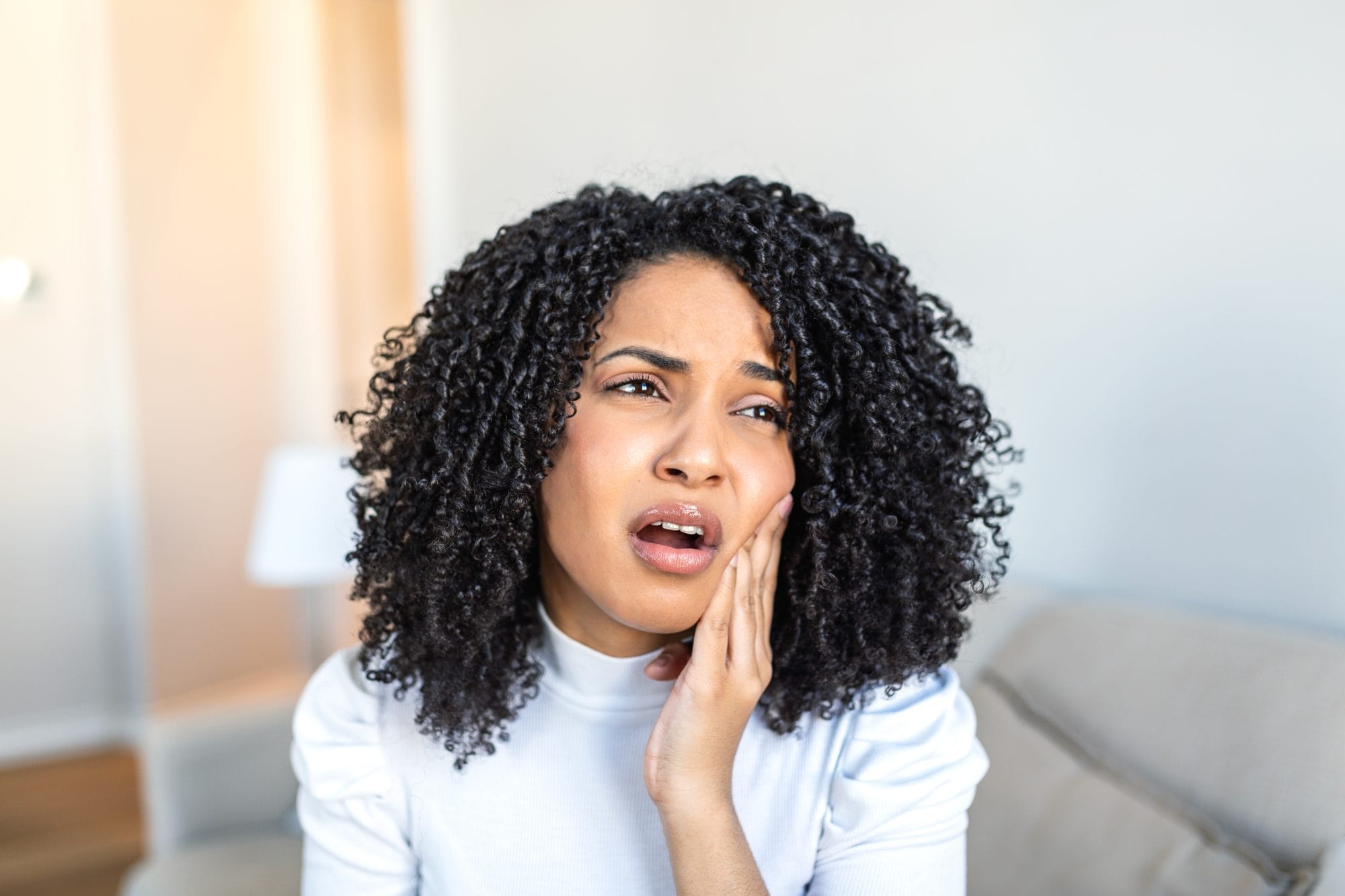
Many people avoid one side of their mouth due to tenderness, which could indicate tooth decay, a loose restoration, gum inflammation, or a problem requiring treatment. Ignoring these signals can delay necessary care.
What Your Dentist Can Check During a Bite Evaluation
A bite evaluation helps your dentist understand how your teeth come together and how your jaw moves during chewing. At Goochland Dentistry, Dr. Murchie and the team look for early signs of tooth wear, gum changes, and imbalance. Digital X-rays may be used to check for hidden cavities, root changes, or bone loss from periodontal disease.
Your dentist will observe jaw movement, check alignment, and identify uneven pressure. Digital scanning can document tooth wear, cracks, or shifting teeth, providing a baseline for future visits. This evaluation also helps determine why you developed a preferred side, whether due to a single problematic tooth, malocclusion, missing teeth, or old dental work that no longer fits your bite.
Treatment Options to Restore Balance and Protect Your Teeth
Treatment depends on the cause and condition of your teeth and gums. The goal is to reduce strain, restore comfortable chewing, and prevent avoidable dental problems. Common treatments include:
- Crowns for cracked or worn teeth, allowing balanced chewing
- Composite fillings for cavities causing sensitivity or avoidance of one side
- TMJ and bruxism treatment to relieve jaw tension and protect enamel
- Restorative dentistry options like bridges, dentures, or implants to address missing teeth and improve jaw alignment
- Invisalign® or braces to correct misalignment or malocclusion
- Periodontal therapy to treat gum inflammation or disease
For jaw pain or TMJ dysfunction, your dentist may recommend gentle jaw exercises and at-home care tailored to your needs.
Practical Steps You Can Take at Home
Healthy habits at home support your dental care. Start by becoming aware of your chewing patterns, as many people don’t realize they favor one side. Try these steps:
- Alternate sides during meals, especially with softer foods
- Chew slowly to notice where food sits before swallowing
- Brush and floss thoroughly to reduce plaque and gum irritation
- Stay hydrated to support saliva flow, which helps wash away food particles
If switching sides causes discomfort, it may indicate a tooth, gum, or bite issue that needs attention.
When to Schedule an Appointment
If you’ve been chewing on one side for a long time or notice jaw pain, sensitivity, or discomfort, schedule a visit. Early detection can save costs and prevent small issues from becoming urgent problems. It also ensures long-term comfort and confidence in your smile.
Contact Goochland Dentistry in Manakin-Sabot, VA, to schedule a preventive exam and bite evaluation with Dr. Murchie. You’ll receive clear answers, a personalized care plan, and guidance to help you chew comfortably on both sides of your mouth.
Share this Article