
30
Jun
My Denture Feels Loose. Is That Normal or a Sign Something Changed?
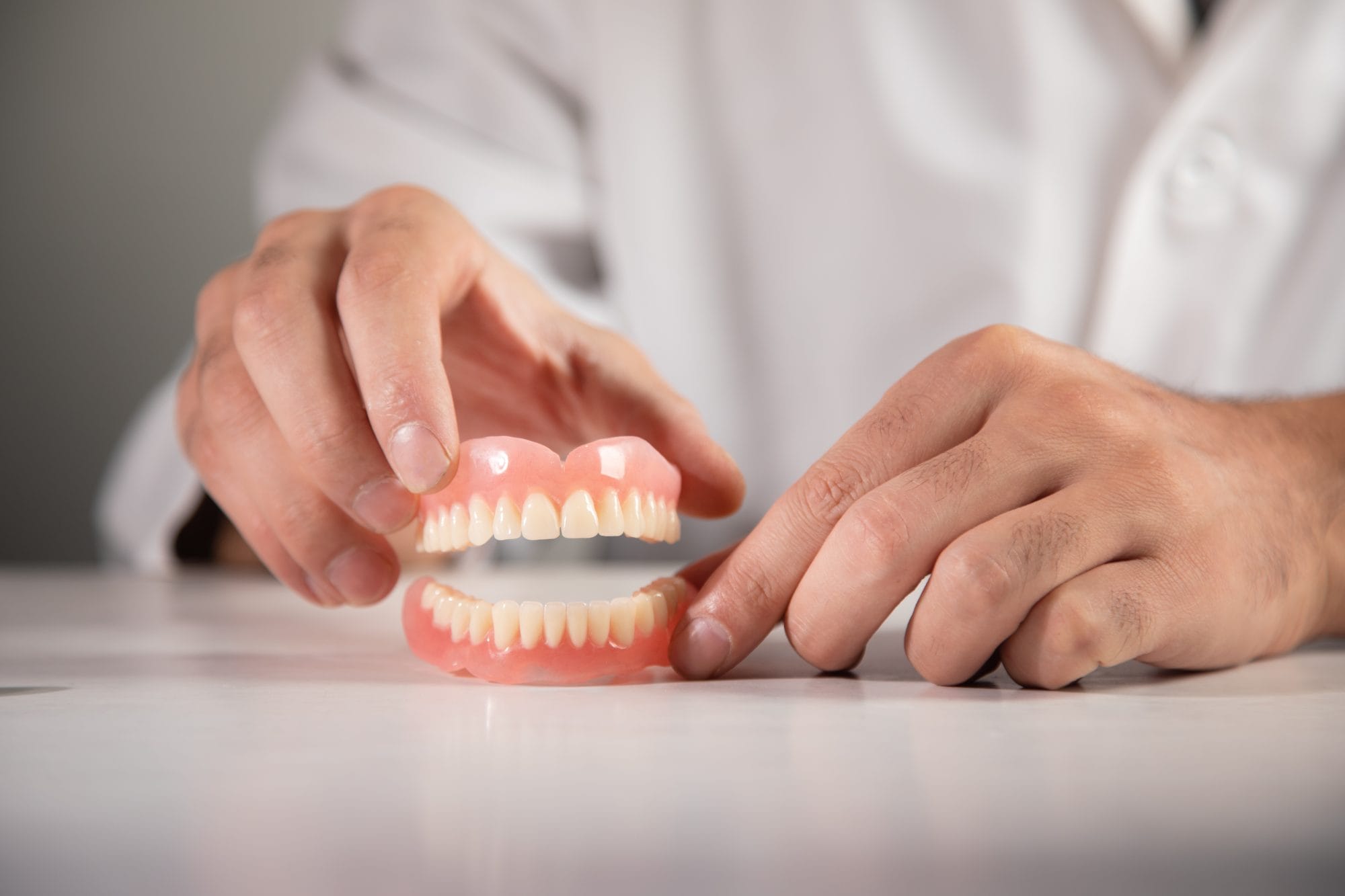
If you wear dentures, you expect them to feel stable when you talk, chew, and smile. So when you notice loose dentures, it can be unsettling. You may wonder if you did something wrong, if your denture is wearing out, or if your mouth is changing.
A denture that feels loose can happen for common, natural reasons. It can also signal a change that deserves attention, especially if you are dealing with sore spots, trouble eating, or frequent slipping. At Goochland Dentistry in Manakin-Sabot, VA, Dr. Murchie and our team help denture wearers stay comfortable with practical solutions that support long-term oral health and quality of life.
Is it normal for loose dentures to happen over time?
Yes. Many patients experience loose dentures eventually, even if the denture started with a comfortable fit. Your mouth changes throughout life, and dentures sit on gum tissue and bone that can gradually shift. These natural changes affect the shape of your gums and the way the denture rests against them.
Over time, you may feel movement along the gum line, notice pressure points, or find that the entire base of the denture no longer hugs your mouth the same way. A secure fit usually requires periodic evaluation and necessary adjustments, especially after the first months and then as the years go by.
Why dentures loosen: bone resorption and changes in bone structure
One of the biggest reasons dentures loosen is bone resorption, which means your jawbone gradually shrinks after tooth loss. Natural teeth stimulate the jaw when you chew. After teeth are removed, that stimulation decreases, and the bone can change due to lack of stimulation.
Many people notice this most with a lower denture. The lower jaw often has less surface area for suction and stability, so even small changes in bone structure can lead to loose lower dentures. You may feel the denture lift when you talk or slide when you eat because the surface of the denture no longer matches the gums closely.
Bone loss can also continue even if you practice good oral hygiene and keep up with dental care. That is why regular dental checkups remain important for patients with false teeth or partial dentures. These visits help us catch jawbone loss early and discuss options that protect comfort and function.
Signs of loose dentures you should not ignore
Some denture issues feel minor at first, then create bigger problems. If you notice any of the concerns below, scheduling professional help can prevent irritation and reduce the chance of a cracked denture base or inflamed tissue.
Common signs of loose dentures include:
- Frequent rubbing, sore spots, or ulcers on your gums
- Clicking, shifting, or rocking when you chew
- Food trapping under the denture material more often than usual
- Needing a lot of denture adhesive to get through the day
- Changes in speech, like new whistling or slurring
If your denture feels unstable suddenly, that change matters. A fracture, a worn denture base, or changes in the shape of your gums can all show up quickly.
What can make a denture feel loose suddenly?
A sudden change often surprises denture wearers, and it usually has an understandable reason. Significant weight loss can reduce the fullness of the cheeks and gums, changing how the denture contacts tissues. Even moderate weight loss can alter the fit enough to create movement.
You can also feel looseness after an illness, medication-related dry mouth, or inflammation of the gum tissue. If you wear a partial denture supported by natural teeth, changes like decay, shifting, or gum disease around those teeth can affect stability. This is another reason regular dental checkups matter, even when you have artificial teeth.
Wear and tear can play a role too. The bite surface can gradually change, and the denture base can lose precision against your gums, especially if it has been years since it was evaluated.
Should you use denture adhesive for loose dentures?
Denture adhesive can be helpful in the short term, especially for special events, travel, or a busy week when you are waiting for an appointment. It can improve grip and reduce little movements that irritate tissue. Many patients feel more confident when they can rely on a small amount of adhesive.
At the same time, adhesive works best as a temporary solution. If you need more and more adhesive to get a “normal” day, that pattern often means your denture no longer has a secure fit. Too much adhesive can also make it harder to keep tissues clean, which can affect oral health over time. A dental visit helps you move from coping to correcting the root problem.
The first step: get the fit evaluated at dental checkups
The first step for ongoing looseness is a denture evaluation with your dentist. At Goochland Dentistry, Dr. Murchie focuses on thorough assessment so the next recommendation fits your goals, comfort needs, and lifestyle. We look at how your dentures contact your gums, how your bite comes together, and whether your tissues show pressure points.
We also consider how your jaw has changed since your new set of dentures was made. The process of bone resorption can create gaps that patients cannot easily see. A careful exam supports an informed decision, whether you need a reline, a repair, or a replacement plan.
Relining options for a secure, comfortable fit
Many patients do not need a full replacement right away. A reline reshapes the inside surface of the denture so it matches your current gum contours. This can improve stability and help the entire base of the denture sit evenly again.
Common approaches include:
- Soft relining: A softer material is added to create a cushion-like feel. Patients with tender gums often appreciate soft liners for comfort.
- Hard relining: A firmer reline material creates a precise fit and long-lasting support when tissues are healthy.
Relining can reduce sore spots, improve chewing, and help you feel confident again. It also protects your gums from ongoing friction, which supports better dental care outcomes over time.
When a new set of dentures may be the best option
Sometimes the denture is too worn, warped, or outdated in its fit to correct with relining alone. If your denture material is cracking, the bite no longer feels balanced, or the teeth are significantly worn down, it may be time to consider a new set of dentures.
A replacement can restore a more accurate fit, improve your chewing efficiency, and support clearer speech. Modern denture design can also improve comfort by matching today’s gum contours more closely. Since Goochland Dentistry uses digital technology to custom-design and manufacture dentures, your records can also help with future repairs or replacement if needed.
Considering dental implants for better stability
For some patients, dental implants provide a meaningful way to reduce everyday slipping and improve confidence. A dental implant acts like an artificial root placed in the jawbone. The implant can support a crown, a bridge, or even a denture, depending on how many teeth you need to replace.
Implant-supported dentures can help with stability and function, especially when you struggle with a lower denture that never seems to stay put. Many patients also like that implants help preserve jawbone, which can slow jawbone loss connected to tooth loss. At Goochland Dentistry, we use digital X-rays and 3D scanning to support careful planning for implant treatment, and we evaluate your oral health and bone before recommending care.
If you are comparing options, Dr. Murchie can explain the benefits, the steps involved, and what “best results” looks like for your situation. The goal stays the same: a secure fit that supports eating, speaking, and daily comfort.
Daily habits that support proper care of your dentures
Good home habits help your dentures last longer and keep tissues healthier. Proper care of your dentures also helps you notice changes early, before they become painful.
A few helpful practices include:
- Clean your dentures daily and rinse after meals when possible
- Brush your gums gently to support circulation and cleanliness
- Remove dentures as recommended to let tissues rest
- Keep regular dental checkups for oral cancer screening and tissue evaluation
Even with excellent home care, bone loss and natural changes can still affect fit. Professional monitoring keeps you ahead of those changes.
Get help for loose dentures in Manakin-Sabot, VA
If you are dealing with loose dentures, you deserve answers and a clear plan. A small fit issue can often be corrected with relining or adjustments, and we can also discuss dental implants when stability and long-term comfort are top priorities.
Contact Goochland Dentistry today to schedule a visit with Dr. Murchie. We will evaluate your denture fit, review your options, and help you feel comfortable and confident again.
Share this Article